Five principles behind a minimal Swedish home
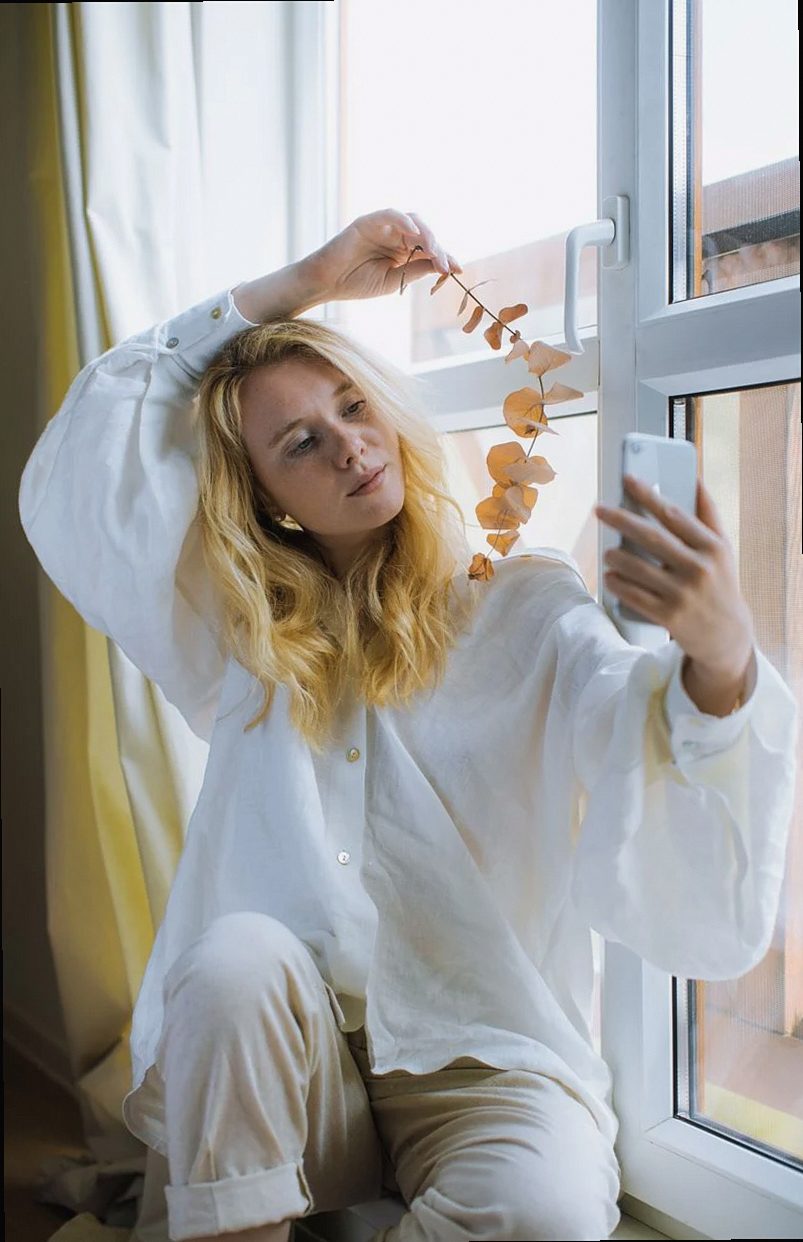
Minimalism in home décor gets talked about as an aesthetic, but it is more useful to think of it as a set of decisions. What stays, what goes, what earns its place on a shelf. This is not about owning fewer things for its own sake. It is about being deliberate enough that every object in a room is there for a reason you can state.
One: buy for the specific spot, not the general idea
The most common mistake is buying something because it looks good in a photograph and then finding a place for it at home. The better sequence is to identify a specific gap. A corner that needs light, a shelf that needs a visual anchor, a windowsill that needs height. And then find the object that fits that gap.
This is why we include exact dimensions on every product page. A lamp that is 38 cm tall reads very differently on a 45 cm side table than on a 70 cm console. Knowing the measurement before you order saves a return.
Two: material consistency matters more than colour matching
A room with three different materials. Say, linen, terracotta, and oiled ash. Feels coherent even if the colours vary. A room with six different materials feels busy even if everything is beige. Choosing objects that share a material language (natural fibres, unglazed ceramics, raw wood) is more reliable than trying to match colours across different product categories.
Three: light is the cheapest way to change a room
A new lamp does more for a room than a new piece of furniture, and costs less. The position of a light source. Low and warm versus high and cool. Changes how a room feels in the evening more than the colour of the walls. In Sweden, where rooms are dark for five months of the year, this is not a small consideration.
Four: seasonal rotation keeps a small range feeling fresh
Storing half your decorative objects and rotating them with the seasons means you are always living with things that feel current without buying more. A lantern that comes out in September and goes away in March feels like a new object when it returns. This is why the Ljushemmet range updates four times a year. Not to sell more, but because the right object for October is not the right object for May.
Five: remove before you add
Before buying anything new for a room, take one thing out. This is a simple discipline that keeps rooms from accumulating objects that were once deliberate choices and are now just there. It also makes the new addition feel more considered, because there is space for it.
These are principles, not rules. A room that feels right to the person living in it is the only measure that matters.